
How the Gardner Denver Hydrapak Keeps Trucks Running in Extreme Heat

If you’ve ever watched a work truck idle on a Missouri job site in July, you know that heat is not just uncomfortable, it’s a serious threat to your equipment. Hydraulic systems are the workhorses behind everything from dump bodies to wet kits, and when temperatures climb, those systems take a beating. The good news is that the right cooling solution can make all the difference, and the Gardner Denver Hydrapak was built with exactly these conditions in mind.
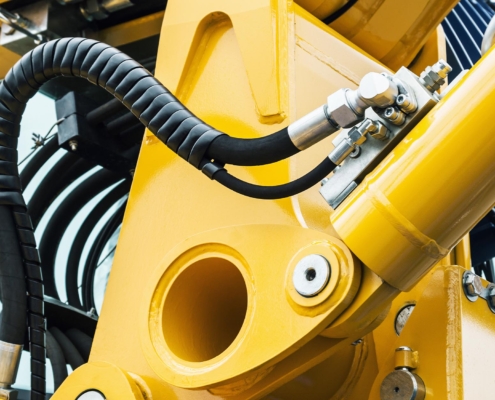
What Extreme Heat Does to Your Hydraulic System

Before we get into the solution, it helps to understand the problem. Hydraulic systems are sensitive to temperature in ways that most operators don’t fully appreciate until something goes wrong.

Fluid Breakdown

Hydraulic fluid is the lifeblood of your system, and heat is its biggest enemy. When fluid temperatures rise above safe operating thresholds, the fluid begins to thin out and lose its viscosity. That means it can no longer maintain the pressure needed to move components efficiently. Over time, degraded fluid also becomes acidic, which accelerates wear on seals, valves, and internal surfaces throughout the entire system.

Pressure Loss and Component Wear

Once fluid viscosity drops, your system has to work harder to compensate. Pumps strain under the load, cylinders respond sluggishly, and pressure fluctuations ripple through the entire circuit. Components that were designed to last years begin wearing out in months. In climates like those across Missouri, Kansas, and Illinois, where summer temperatures routinely push past 95 degrees, hydraulic system overheating is not a rare event. It’s a recurring seasonal risk that operators need to plan for.

The Downstream Consequences

Left unchecked, overheating leads to unplanned downtime, costly repairs, and in some cases, complete system failures at the worst possible moment. Safety becomes a real concern when hydraulic response slows or becomes unpredictable. None of this is acceptable when you’re running tight schedules and depending on your equipment to perform.

Why So Many Work Trucks Run Hot

Understanding why hydraulic system overheating happens so frequently on work trucks helps explain why a purpose-built solution like the Gardner Denver Hydrapak matters so much.

System Design Shortfalls

Many trucks are not originally configured with heavy-duty cooling in mind. OEM hydraulic setups are often designed for average operating conditions, not peak summer demand in the Midwest. When a truck gets outfitted with additional equipment or put on more demanding routes, the existing cooling capacity simply cannot keep pace.

Overworked Components in Daily Operations

Trucks that run continuously throughout the day generate heat that compounds over time. A dump truck making multiple runs on a hot afternoon or a tanker truck with a constantly cycling pump never gets the cool-down period a standard system might need to regulate itself. The heat builds, the fluid degrades, and performance drops.

Inadequate or Aging Cooling Infrastructure

Even trucks that were properly cooled when new can fall behind over time. Coolers get clogged with road debris, fittings corrode, and airflow gets restricted. Without a system specifically designed to handle sustained high-temperature operation, the gap between what your truck needs and what it gets widens every season.

How the Gardner Denver Hydrapak Addresses the Problem

This is where the engineering really shines. The Gardner Denver Hydrapak is a pre-engineered, compact hydraulic oil conditioning system that takes a fundamentally different approach to thermal management.

An Integrated System Built for Efficiency

Rather than cobbling together separate cooling components, the Gardner Denver Hydrapak consolidates everything into one pre-assembled unit. The hydraulic cooling system integrates all the necessary elements of a properly designed hydraulic circuit, including filtration, cooling, and fluid conditioning, into a single, lightweight package. This matters because a unified system eliminates the pressure drops and inefficiencies that come with mismatched components.

Design Advantages That Translate to Real Performance

The compact footprint of the Gardner Denver Hydrapak makes it highly adaptable for different truck configurations, which is a big deal for operators running varied fleets. Its design prioritizes consistent fluid temperature management, keeping hydraulic oil in the optimal range even when ambient temperatures are high and the system is under continuous load. The result is a hydraulic cooling system that works proactively rather than reactively.

If your truck’s current hydraulic system is struggling to keep up when the heat climbs, White Tank and Truck Repair has the solution. We carry the full Gardner Denver Hydrapak lineup. Explore more about what we offer.

The Operational Benefits for Summer Running

When you install a properly engineered cooling solution, the benefits show up across your entire operation. Fluid stays within safe temperature ranges, which dramatically extends its useful life. Components run smoother because they’re operating under stable pressure conditions. Wear rates drop across pumps, seals, and valves. And perhaps most importantly, the unpredictable breakdowns that plague overheated systems become far less common. For fleet managers watching maintenance budgets, the math is straightforward: fewer breakdowns, fewer emergency repair bills, and longer intervals between major service events.

Operators in high-heat environments also report that their trucks simply feel more responsive during afternoon hours when temperatures peak. That’s the Gardner Denver Hydrapak doing exactly what it was designed to do, maintaining consistent performance when the conditions are working against you.

Practical Tips for Hot-Weather Hydraulic Maintenance

Even the best cooling system benefits from good operating habits and maintenance. Check fluid levels and condition at the start of every shift during summer months. Keep cooler fins and airflow paths clear of debris, because even small blockages reduce efficiency significantly. Monitor fluid temperature gauges during peak-load periods and take note of any upward trends over time. Catching a cooling issue early is far less expensive than dealing with the aftermath of a full system failure.

Your Equipment Deserves a Cooling System That Can Keep Up

Summer in the Midwest is not forgiving to hydraulic systems that are not built for it. Hydraulic system overheating causes real damage, real downtime, and real costs that stack up fast. The Gardner Denver Hydrapak was engineered to solve this problem with a compact, integrated hydraulic cooling system that protects your equipment and keeps your fleet on schedule. Reach out to White Tank and Truck Repair today and let our team put the right solution on your truck before the next heat wave hits.

How the Gardner Denver Hydrapak Keeps Trucks Running in Extreme Heat

Hook: If you’ve ever watched a work truck idle on a Missouri job site in July, you know that heat is not just uncomfortable, it’s a serious threat to your equipment. Hydraulic systems are the workhorses behind everything from dump bodies to wet kits, and when temperatures climb, those systems take a beating. The good news is that the right cooling solution can make all the difference, and the Gardner Denver Hydrapak was built with exactly these conditions in mind.

What Extreme Heat Does to Your Hydraulic System

Before we get into the solution, it helps to understand the problem. Hydraulic systems are sensitive to temperature in ways that most operators don’t fully appreciate until something goes wrong.

Fluid Breakdown

Hydraulic fluid is the lifeblood of your system, and heat is its biggest enemy. When fluid temperatures rise above safe operating thresholds, the fluid begins to thin out and lose its viscosity. That means it can no longer maintain the pressure needed to move components efficiently. Over time, degraded fluid also becomes acidic, which accelerates wear on seals, valves, and internal surfaces throughout the entire system.

Pressure Loss and Component Wear

Once fluid viscosity drops, your system has to work harder to compensate. Pumps strain under the load, cylinders respond sluggishly, and pressure fluctuations ripple through the entire circuit. Components that were designed to last years begin wearing out in months. In climates like those across Missouri, Kansas, and Illinois, where summer temperatures routinely push past 95 degrees, hydraulic system overheating is not a rare event. It’s a recurring seasonal risk that operators need to plan for.

The Downstream Consequences

Left unchecked, overheating leads to unplanned downtime, costly repairs, and in some cases, complete system failures at the worst possible moment. Safety becomes a real concern when hydraulic response slows or becomes unpredictable. None of this is acceptable when you’re running tight schedules and depending on your equipment to perform.

Why So Many Work Trucks Run Hot

Understanding why hydraulic system overheating happens so frequently on work trucks helps explain why a purpose-built solution like the Gardner Denver Hydrapak matters so much.

System Design Shortfalls

Many trucks are not originally configured with heavy-duty cooling in mind. OEM hydraulic setups are often designed for average operating conditions, not peak summer demand in the Midwest. When a truck gets outfitted with additional equipment or put on more demanding routes, the existing cooling capacity simply cannot keep pace.

Overworked Components in Daily Operations

Trucks that run continuously throughout the day generate heat that compounds over time. A dump truck making multiple runs on a hot afternoon or a tanker truck with a constantly cycling pump never gets the cool-down period a standard system might need to regulate itself. The heat builds, the fluid degrades, and performance drops.

Inadequate or Aging Cooling Infrastructure

Even trucks that were properly cooled when new can fall behind over time. Coolers get clogged with road debris, fittings corrode, and airflow gets restricted. Without a system specifically designed to handle sustained high-temperature operation, the gap between what your truck needs and what it gets widens every season.

How the Gardner Denver Hydrapak Addresses the Problem

This is where the engineering really shines. The Gardner Denver Hydrapak is a pre-engineered, compact hydraulic oil conditioning system that takes a fundamentally different approach to thermal management.

An Integrated System Built for Efficiency

Rather than cobbling together separate cooling components, the Gardner Denver Hydrapak consolidates everything into one pre-assembled unit. The hydraulic cooling system integrates all the necessary elements of a properly designed hydraulic circuit, including filtration, cooling, and fluid conditioning, into a single, lightweight package. This matters because a unified system eliminates the pressure drops and inefficiencies that come with mismatched components.

Design Advantages That Translate to Real Performance

The compact footprint of the Gardner Denver Hydrapak makes it highly adaptable for different truck configurations, which is a big deal for operators running varied fleets. Its design prioritizes consistent fluid temperature management, keeping hydraulic oil in the optimal range even when ambient temperatures are high and the system is under continuous load. The result is a hydraulic cooling system that works proactively rather than reactively.

Call to Action: If your truck’s current hydraulic system is struggling to keep up when the heat climbs, White Tank and Truck Repair has the solution. We carry the full Gardner Denver Hydrapak lineup. Explore more about what we offer.

Button: Gardner Denver Products

The Operational Benefits for Summer Running

When you install a properly engineered cooling solution, the benefits show up across your entire operation. Fluid stays within safe temperature ranges, which dramatically extends its useful life. Components run smoother because they’re operating under stable pressure conditions. Wear rates drop across pumps, seals, and valves. And perhaps most importantly, the unpredictable breakdowns that plague overheated systems become far less common. For fleet managers watching maintenance budgets, the math is straightforward: fewer breakdowns, fewer emergency repair bills, and longer intervals between major service events.

Operators in high-heat environments also report that their trucks simply feel more responsive during afternoon hours when temperatures peak. That’s the Gardner Denver Hydrapak doing exactly what it was designed to do, maintaining consistent performance when the conditions are working against you.

Practical Tips for Hot-Weather Hydraulic Maintenance

Even the best cooling system benefits from good operating habits and maintenance. Check fluid levels and condition at the start of every shift during summer months. Keep cooler fins and airflow paths clear of debris, because even small blockages reduce efficiency significantly. Monitor fluid temperature gauges during peak-load periods and take note of any upward trends over time. Catching a cooling issue early is far less expensive than dealing with the aftermath of a full system failure.

Your Equipment Deserves a Cooling System That Can Keep Up

Summer in the Midwest is not forgiving to hydraulic systems that are not built for it. Hydraulic system overheating causes real damage, real downtime, and real costs that stack up fast. The Gardner Denver Hydrapak was engineered to solve this problem with a compact, integrated hydraulic cooling system that protects your equipment and keeps your fleet on schedule. Reach out to White Tank and Truck Repair today and let our team put the right solution on your truck before the next heat wave hits.