
Wet Kit Installation Timelines: How Long It Takes and What to Expect
For truck owners and fleet managers, time off the road equals money lost. When you are planning a wet kit installation, one of the first questions that comes up is simple: how long is this going to take? The answer depends on several factors, from kit type to parts availability to how prepared the truck is before it rolls into the shop.
This guide walks through realistic wet kit installation timelines, explains what happens during each phase, and helps you set expectations so there are no surprises. Whether you are installing a new system or upgrading an existing one, knowing what to expect helps you plan smarter and keep trucks moving.
Why Wet Kit Installation Matters
Wet kits are not optional accessories for many vocational trucks. They power dump bodies, live floors, lowboys, and other hydraulic systems that make the truck useful beyond hauling. A properly planned wet kit installation ensures reliable performance, safe operation, and long equipment life.
Rushing the process or cutting corners often leads to leaks, overheating, PTO issues, and premature component failure. That is why understanding the timeline is just as important as understanding wet kit installation cost or component selection. When the install is done correctly, downtime is minimized and long term reliability improves.
Typical Wet Kit Installation Timeframes
At a high level, most wet kit installation projects fall into a predictable range. However, no two trucks are exactly the same. For most vocational trucks:
- Simple installations can take one full business day
- More complex installs typically take two to three days
- Custom or heavily modified setups may take longer
These are not estimates pulled from a brochure. They reflect real shop conditions, real trucks, and real-world variables that affect productivity.
Single Line vs Two Line Wet Kit Installation Times
The type of wet kit plays a major role in how long installation takes.
Single Line Wet Kit Installation
Single line wet kits are commonly used for dump trucks where hydraulic pressure is only required in one direction. Gravity handles the return. In most cases:
- Installation takes 6 to 8 labor hours
- Many trucks can be completed in a single day
- Fewer hoses, valves, and controls reduce complexity
Single line systems are typically faster because they involve fewer components and simpler routing.
Two Line Wet Kit Installation
Two line wet kits use hydraulic pressure to both extend and retract the cylinder. These are common on live floors, walking floors, and certain trailers. For two line systems:
- Installation often takes 12 to 20 labor hours
- The truck may be down for two or more days
- Additional valves, hoses, and controls increase install time
A two line pto wet kit installation requires more setup, more testing, and more fine tuning to ensure safe operation under load.
Wet Kit Installation Steps from Start to Finish
Understanding the steps involved helps explain why timelines vary and why proper installation takes time.
Initial Inspection and Planning
The process starts with a full inspection of the truck. Technicians verify transmission compatibility, PTO options, frame space, and mounting locations. This step also includes:
- Confirming application requirements
- Reviewing hydraulic flow and pressure needs
- Verifying existing equipment condition
If issues are found here, addressing them early prevents delays later.
PTO and Pump Installation
Next comes PTO installation on the transmission. This step is critical and must be done precisely. Technicians:
- Mount the PTO correctly
- Align the pump to prevent vibration
- Verify gear ratios and rotation direction
Improper PTO alignment is one of the biggest causes of future failures, so this step is never rushed.
Reservoir and Component Mounting
Once the PTO and pump are installed, the hydraulic reservoir, valves, and filters are mounted. This phase includes:
- Selecting safe mounting locations
- Ensuring proper airflow for cooling
- Securing components to prevent movement
Mounting decisions affect serviceability and long term durability.
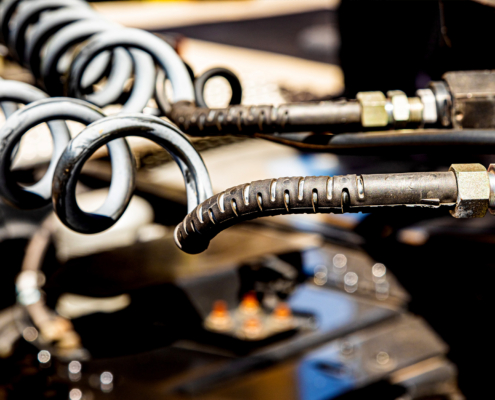
Hose Routing and Connections
Hose routing takes more time than many people expect. Hoses must be routed to avoid heat, sharp edges, and moving parts. During this phase:
- Hoses are cut and crimped to exact lengths
- Protective sleeves and clamps are installed
- Fittings are torqued to specification
Clean routing reduces wear and prevents future leaks.
Fluid Fill and System Bleeding
After assembly, the system is filled with hydraulic fluid and bled to remove air. This step ensures:
- Proper fluid circulation
- Accurate pressure readings
- Smooth system operation
Skipping or rushing this step leads to noisy operation and heat buildup.
Testing and Adjustment
The final phase involves running the system under load. Technicians:
- Check for leaks
- Monitor temperature and pressure
- Adjust flow controls and relief valves
Only after testing confirms safe operation is the truck ready for service.
Parts Availability and Lead Time Considerations
One of the biggest factors affecting wet kit installation timelines is parts availability. If all components are in stock:
- Installation proceeds on schedule
- Downtime is predictable
If parts need to be ordered:
- Delays of days or weeks can occur
- Scheduling becomes more difficult
This is why working with a shop that stocks common components helps reduce downtime. It also impacts wet kit installation cost when expedited shipping or special order parts are required.
Wet kit installation is not just about speed. It is about doing the job right the first time. At White Tank and Truck Repair, we provide realistic timelines, experienced technicians, and properly stocked parts so your trucks are down for as little time as possible. Discover more.
Common Delays and How to Avoid Them
Delays happen, but many are preventable with planning. Common causes include:
- Incorrect transmission information
- Unexpected frame or clearance issues
- Missing or incompatible components
- Discovering worn driveline or PTO components mid-install
You can reduce delays by:
- Providing accurate truck specs upfront
- Addressing known mechanical issues before scheduling
- Choosing experienced installers familiar with your truck type
Clear communication saves time on both sides.
Tips for Reducing Truck Downtime
Fleet managers often ask how to keep trucks moving while scheduling wet kit installation. Practical strategies include:
- Scheduling installs during slower seasons
- Coordinating installs with other maintenance
- Preparing trucks by cleaning frames and removing obstructions
- Verifying parts availability before booking
These steps help compress downtime and improve scheduling accuracy.
When to Schedule Your Wet Kit Installation
Timing matters more than many realize. Spring and early summer are typically busy seasons, especially for dump and construction fleets. Scheduling early helps avoid long wait times. Winter months often offer:
- Shorter lead times
- More flexible scheduling
- Faster turnaround in many shops
Planning ahead ensures wet kit installation fits your operational calendar rather than disrupting it.
Post Install Testing and Safety Checks
After installation, testing is not optional. Proper testing protects drivers, equipment, and your business. Post install checks include:
- Verifying pressure relief settings
- Confirming PTO engagement and disengagement
- Inspecting hose movement during operation
- Reviewing operator controls and safety procedures
This final step ensures the system performs correctly from day one.
Schedule Smart and Keep Your Fleet Moving With White Tank & Truck Repair
A successful wet kit installation starts with clear expectations. Understanding timelines, parts availability, and installation steps allows fleet managers to plan confidently and avoid costly downtime. From single line systems to complex pto wet kit installation projects, preparation makes all the difference.
White Tank and Truck Repair brings experience, transparency, and efficiency to every install. When you are ready to schedule, we are ready to help you keep your trucks working and earning. Get in touch today.