Dry Bulk vs. Liquid Tank Truck Needs: What Fleet Managers Need to Know

Fleet managers and logistics leaders face high-stakes decisions when adding or upgrading tank trucks. Choosing between dry bulk vs. liquid tank trucks isn’t just a matter of cargo type. It affects everything from equipment design and maintenance costs to regulatory requirements and long-term operational efficiency.
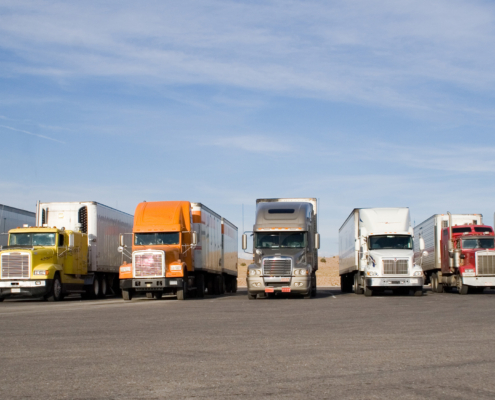
Understanding how dry bulk and liquid tank trucks differ can help you avoid costly compliance mistakes, reduce downtime, and match the right vehicle to the right job. This article breaks down what you need to know to make the best decision for your operation, and know when to bring in experts like White Tank & Truck Repair.

Key Differences in Tank Design and Materials

Tank truck design is driven by what the truck needs to carry. Dry bulk and liquid tank trucks have very different construction features due to the physical characteristics of their cargo.

Dry Bulk Tanks

Dry bulk tanks are designed to carry materials like cement powder, plastic pellets, or food-grade flour. Because these are non-liquid substances that flow when pressurized, dry bulk tanks are typically made with smooth, cylindrical shapes that allow even air movement. They’re equipped with internal baffles or cone-shaped bottoms to direct product flow.

Aluminum is commonly used in dry bulk construction for its light weight, which maximizes payload. These tanks require air systems, including blowers and compressors, to pressurize the vessel and discharge product.

Liquid Tanks

Liquid tank trucks are designed for substances like fuel, milk, oil, or chemicals. These tanks must prevent sloshing, so they often include internal baffles. Stainless steel is the go-to material for liquids, especially corrosive or food-grade loads. Liquid tanks need strong seals, valves, and piping to ensure containment, and are typically equipped with pumps for product transfer.

Understanding these material and design differences is essential for selecting the right tank style that matches your product, safety needs, and regulatory environment.

Operational Considerations for Each Tank Type

Your entire operation can run differently depending on if you’re managing dry bulk or liquid tanks. Here’s how those differences play out in daily use.

Loading and Unloading

Dry bulk trucks use pressurized air to discharge product. This means they require a functioning pneumatic system with compressors and hoses. Loading can be done via gravity or vacuum, depending on the facility setup. Drivers need to understand airflow and pressure management to avoid clogging or rupture.

Liquid tank trucks usually rely on pumps or gravity to unload. Although loading times may be shorter, making sure valves and seals are tight is critical to avoid leaks or contamination. Products like fuel also require grounding and vapor recovery equipment.

Cleaning and Maintenance

Cleaning procedures for dry bulk tanks depend on the product being carried. Food-grade materials demand sanitary cleaning and may require a certified food-grade wash. Because dry product leaves behind dust, routine dry bulk tank maintenance inspections are important.

Liquid tanks can be harder to clean due to sticky or viscous materials. Some liquids also leave residues that require hot water or chemical washes. Cross-contamination is a serious issue in food or chemical transport, so cleanliness and proper gasket selection matter.

Regulatory and Tank Truck Safety Requirement Differences

Meeting DOT and industry-specific regulations is essential. The rules differ significantly between dry bulk and liquid carriers, especially when hazardous or consumable materials are involved.

For Dry Bulk Fleets

Dry bulk operations often fall under FMCSA and OSHA rules regarding air pressure systems and product containment. For example, food-grade bulk carriers must comply with FDA sanitary transport regulations. Blower system inspections are key here; leaks can lead to contamination or pressure hazards.

For Liquid Fleets

Liquid tank trucks may be subject to stricter DOT regulations depending on the cargo. Hauling hazardous liquids like fuel or corrosives triggers placarding, specialized training, spill containment, and regular leak testing.

Food-grade liquid haulers must comply with sanitary transport rules as well, with documented cleaning and tank washouts between loads. Tank integrity, valve seals, and temperature control may all factor into compliance.

Whether you have dry bulk or liquid tank trucks, our experts at White Tank & Truck Repair have the experience to service both. Check out more.

The Efficiency Equation: How the Right Tank Type Affects Operations

Picking the correct tank type is about maximizing uptime, payload, and cost control. The wrong choice can mean inefficient hauls, increased labor, or frequent equipment failure.

Payload Considerations

Dry bulk tanks made of aluminum allow for larger payloads without violating weight limits. But that efficiency only pays off if your compressor system is well maintained. A failing blower can turn a short job into a long one. Liquid tankers, while heavier, can often carry denser materials and unload faster with the right pumping system. This leads to quicker turnaround times, but only if the pump system is efficient and leak-free.

Equipment Wear and Cost Implications

The wear patterns are different for each tank type. Dry bulk equipment sees wear in air valves, hoses, and internal linings. Liquid tanks take stress in seals, pump components, and fittings. A fleet with the wrong tanks for the job will spend more on replacement parts, downtime, and emergency repairs.

Driver Training and Safety

Operators of dry bulk trucks must be trained in pressure handling and airflow balancing. Poor training can result in ruptures or poor product discharge. Liquid drivers must know how to safely handle spills, pressure relief systems, and pump operations. Safety procedures, including proper PPE and grounding, vary greatly between the two. That means different protocols, different insurance implications, and different safety training programs.

When to Consult a Tank Truck Specialist

Not every fleet manager is a tank truck expert, and you don’t have to be. But when dealing with custom builds, product-specific requirements, or compliance audits, it’s smart to work with a specialist. You might need expert input when:

  • You’re expanding into new materials (food-grade, hazardous, etc.)
  • Your current fleet is seeing frequent maintenance or compliance issues
  • You need guidance on outfitting for dual-purpose use
  • Your team struggles with loading/unloading efficiency
  • You’re unsure how to meet DOT, FMCSA, or FDA requirements

That’s where White Tank & Truck Repair comes in. We’ve worked with fleets across fuel, food, dry bulk, and chemical industries. Whether it’s a new tank spec, retrofit, repair, or cleaning service, our team knows how to align equipment with product, process, and regulatory expectations.

Optimize Your Tank Fleet with the Experts at White Tank & Truck Repair

We’re ready to help your fleet thrive, no matter if you have dry bulk or liquid tank trucks. Get in touch with White Tank & Truck Repair to discuss your tank truck options, upgrades, or custom build needs. We’ll help you eliminate inefficiencies, meet safety standards, and get your fleet working smarter.