What Retrofitting a Gardner Denver Hydraulic Oil Cooler Actually Costs You in Downtime
A Gardner Denver hydraulic oil cooler retrofit is typically a same-day job, not a multi-day teardown, when White Tank handles it as a driver-wait install. The unit’s compact, self-contained design means fewer components to disconnect, mount, and re-plumb than a traditional reservoir setup, which is what keeps the actual bay time short.
What Retrofitting a Gardner Denver Hydraulic Oil Cooler Actually Costs You in Downtime
Hook: A Gardner Denver hydraulic oil cooler retrofit is typically a same-day job, not a multi-day teardown, when White Tank handles it as a driver-wait install. The unit’s compact, self-contained design means fewer components to disconnect, mount, and re-plumb than a traditional reservoir setup, which is what keeps the actual bay time short.
What a Hydraulic Oil Cooler Retrofit Actually Involves
Before you can judge how long a retrofit will keep your truck off the road, it helps to know what the job physically requires. A Hydrapak-style hydraulic oil cooler package is not a from-scratch hydraulic build. It is an addition to a system that is already largely in place.
Fewer Components Than a Traditional Setup
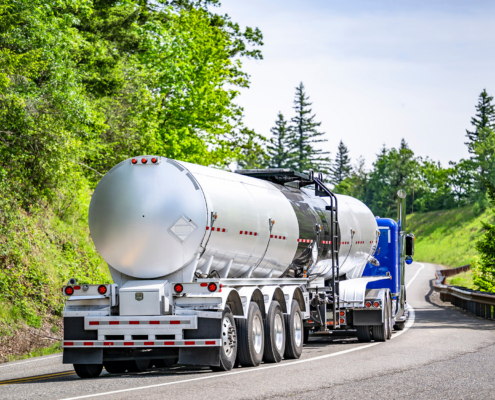
A traditional hydraulic reservoir setup on a dry bulk or liquid bulk truck involves a separate tank, mounting brackets, multiple hose runs, and fittings that all have to be sized and routed individually. The Hydrapak-style oil cooler folds several of those functions into one compact, pre-configured unit. Fewer individual parts means fewer connection points for a technician to fabricate, test, and torque down. That difference in part count is the single biggest reason a hydraulic oil cooler retrofit takes less bay time than fleet managers expect.
How It Ties Into Your Existing Hydraulic System
The retrofit taps into the hydraulic circuit your truck is already running, whether that circuit powers a blower package, a pump, or another PTO-driven system. A technician sizes the cooler to your current hydraulic cooling system rather than replacing it outright, then mounts the unit in a spot that keeps hose runs short and serviceable. Because the retrofit builds on infrastructure that already exists on the truck, there is no need to re-engineer the whole hydraulic layout to make it fit.
How Long a Hydraulic Oil Cooler Retrofit Really Takes
The assumption that stops a lot of fleet managers from moving forward is timing. A hydraulic system swap sounds like it should mean a truck parked in a bay for days while a shop works through it piece by piece.
Why Fleet Managers Expect Days, Not Hours
That expectation usually comes from experience with shops that treat every hydraulic job as a custom build, sourcing parts as they go and working the truck into a queue behind other repairs. When a shop does not stock the right adapters, fittings, or mounting hardware for a Hydrapak-style oil cooler, a job that should take hours can stretch into a multi-day wait on parts alone.
What a Driver-Wait Installation Changes
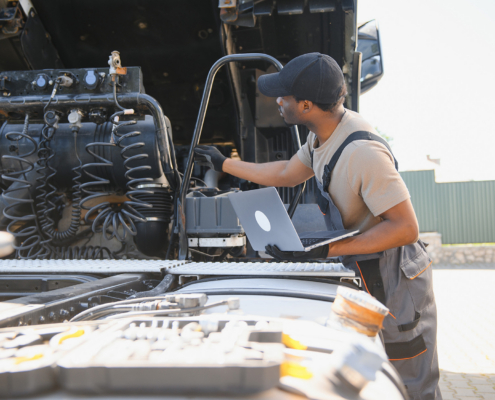
White Tank builds hydraulic oil cooler retrofits into the same driver-wait scheduling behind Our Wet Kit Services, so your driver can wait on-site while the work gets done instead of dropping the truck off for days. Technicians already carry the fittings, brackets, and adapters a Hydrapak-style retrofit calls for, so the job does not stall waiting on a parts order. That is the difference between a retrofit that eats a day out of your route schedule and one that does not.
What Happens During Hydraulic Cooling System Installation
Understanding the actual sequence of a retrofit makes the shorter timeline easier to trust. There is no guesswork or custom fabrication once the truck is on the lift.
Assessment and Fit
A technician starts by confirming mounting location and line routing against your specific chassis and existing hydraulic hardware. Because the Hydrapak-style cooler is built to integrate with standard PTO and pump configurations, most of this step is confirmation rather than custom measurement.
Mounting, Connection, and Pressure Testing
Once the mounting point is confirmed, the technician installs the cooler, connects it into the existing hydraulic lines, and checks flow and pressure under load. White Tank runs every install through the same pressure and temperature checks used on rebuilt blower packages before the truck leaves the bay, the same standard the shop applies when it helps mount the finished blower onto your truck during a full blower install. That final check is what confirms the cooler is doing its job before your driver pulls back onto the road.
White Tank schedules Gardner Denver hydraulic oil cooler retrofits as same-day, driver-wait jobs so your truck gets back on route without an extra day parked in a bay.
Why the Downtime Assumption Doesn’t Hold Up
Most of the downtime fear around a hydraulic oil cooler retrofit comes from comparing it to the wrong kind of job. It is worth separating what actually adds bay time from what does not.
Comparing a Retrofit to a Full System Overhaul
A full hydraulic system overhaul, one that replaces the reservoir, pump, and valving all at once, can take a truck out of service for an extended stretch. A hydraulic oil cooler retrofit is a narrower scope of work added to a system that is already functioning, which is why treating the two as equivalent overstates the real time commitment.
What Gardner Denver’s Engineering Does for Install Time
Gardner Denver’s compact package design is built to shorten install time across a range of blower and pump configurations, not just to shave weight or footprint. That same platform sits behind the Liquid and Dry Bulk Blowers White Tank sells and services as an authorized distributor, so the parts and fit knowledge a technician needs for a cooler retrofit are already second nature in the shop.
The Cooling Upgrade Is a Separate Question From Install Time
The performance side of this upgrade, how a hydraulic oil cooler retrofit keeps trucks running in extreme heat, is a separate question from install time, and it does not change how quickly the retrofit itself gets done. A truck can gain real cooling capacity for summer routes through Missouri, Southern Illinois, and Kansas without its driver losing a day to the install.
What This Means for Your Hydraulic System Maintenance Schedule
Adding a hydraulic oil cooler does not just protect against overheating during operation. It also changes what a technician checks during your regular service visits.
Fewer Surprise Repairs Down the Road
A hydraulic system that runs cooler experiences less fluid breakdown and less wear on seals, hoses, and pump components over time. That translates into fewer unplanned repair visits stacked on top of your regular schedule, which matters more for fleet uptime than the retrofit’s own install day ever will.
Folding the Retrofit Into Routine Service
White Tank can check in on your vehicle’s condition regularly and confirm the cooler is performing as expected during scheduled visits, so hydraulic system maintenance for the retrofit does not become a separate appointment on your calendar. It gets folded into the same visit as everything else the truck needs.
Schedule Your Retrofit With a Team That Works at Driver-Wait Speed
A hydraulic oil cooler retrofit does not have to cost you a day out of your route schedule, and it should not be the reason an upgrade you have already decided makes sense keeps getting pushed to next quarter. The install itself is narrower and faster than most fleet managers expect once it is handled by a shop that already stocks the right parts and treats it as routine work instead of a custom build.
White Tank has been family-owned since 1988, is an authorized Gardner Denver distributor, and builds Hydrapak retrofits into the same driver-wait model it uses across wet kit and blower installs for fleets throughout Missouri, Southern Illinois, and Kansas. Reach out to talk through what a retrofit looks like for your trucks and your schedule.