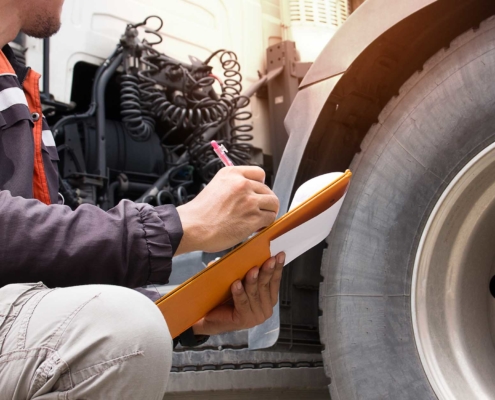
Semi Truck Wet Kit Maintenance in the Summer: A Complete Guide for Fleet Operators
Summer heat can be brutal on hydraulic systems. When temperatures climb, your wet line kit works harder, fluid runs hotter, seals expand, and components face added stress. Without consistent semi truck wet kit maintenance, minor issues can quickly turn into expensive downtime.
For fleet operators and owner-operators running dump trailers, tank trucks, or other hydraulic applications, summer is not the time to cut corners. This guide walks through how hot weather affects wet kits for semi trucks and outlines practical steps to keep your system running efficiently all season long.
What Is a Semi Truck Wet Kit? A Quick Refresher
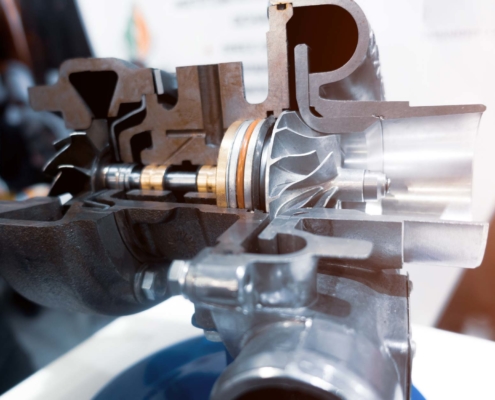
Before diving into maintenance, it helps to revisit what the system actually does. A wet line kit allows a semi truck to power hydraulic equipment by transferring engine power through a PTO to a hydraulic pump. That pump moves fluid through hoses and valves to operate trailers like end dumps, walking floors, or tank systems. The key components include:
- PTO
- Hydraulic pump
- Reservoir
- Valves
- Hoses and fittings
- Filters
Each of these parts responds differently to heat. That is why semi truck wet kit maintenance becomes even more important during peak summer months.
Recommended Wet Kit Maintenance Schedule
A structured maintenance schedule keeps problems from building unnoticed. Summer adds additional stress, so inspections should be consistent and thorough.
Daily Checks
Every day before operation:
- Check hydraulic fluid levels
- Look for visible leaks under the truck
- Inspect hoses for swelling or soft spots
- Listen for unusual pump or PTO noises
These quick checks take only minutes but can prevent serious breakdowns.
Weekly Inspections
Once a week:
- Inspect hose routing for rubbing or heat exposure
- Check reservoir cap and vent condition
- Verify proper PTO engagement and disengagement
- Look for signs of overheating on pump housing
Summer heat accelerates wear, so weekly inspections help catch changes early.
Monthly Service
Monthly maintenance should include:
- Cleaning or replacing hydraulic filters
- Inspecting fittings for tightness
- Checking mounting hardware for vibration damage
- Reviewing system temperature during operation
This is a good time to review your maintenance logs and identify patterns.
Annual Inspections
Even in summer, annual inspections remain critical. These should involve a more in-depth evaluation of pump performance, PTO wear, and system pressure levels.
Hydraulic Fluid Inspection and Replacement
Hydraulic fluid behavior changes significantly in high temperatures. Fluid that runs too hot loses viscosity, which reduces lubrication and increases internal wear.
Checking Fluid Levels
Check levels daily, especially during heavy operation. Low fluid levels increase heat buildup and introduce air into the system.
Signs of Contamination
Watch for:
- Milky appearance indicating moisture
- Darkened fluid suggesting oxidation
- Burnt smell from overheating
Contaminated fluid reduces performance and damages components.
When to Replace Fluid
In summer, fluid may need replacement sooner than expected. If operating temperatures are consistently high or contamination is detected, replacing fluid protects the pump and valves from accelerated wear.
PTO and Pump Inspection
The PTO and hydraulic pump are at the heart of your wet line kit. Summer heat increases friction and stress on both components.
Engagement Checks
Ensure smooth PTO engagement. Delays or grinding sounds may indicate internal wear or misalignment.
Noise and Vibration Warning Signs
Excess vibration or unusual noise during operation signals potential bearing wear or misalignment. Heat amplifies these issues, so immediate inspection is recommended. Consistent semi truck wet kit maintenance reduces strain on these critical components and extends their service life.
Hose, Fittings, and Seal Inspections
High temperatures can cause hoses to soften and seals to expand. Over time, this leads to leaks and pressure loss.
Leak Detection
Inspect connections for small fluid leaks. Even minor seepage can worsen under heat.
Cracking and Wear
Look for:
- Surface cracks
- Bulging sections
- Brittle or hardened rubber
Replace worn hoses before they fail under load.
Heat Management and Cooling Considerations
Hydraulic systems generate heat naturally, but summer conditions push them closer to their limits. If the system cannot dissipate heat effectively, fluid breakdown and component damage follow. To improve cooling:
- Ensure reservoir size matches pump flow requirements
- Keep airflow around components clear
- Avoid prolonged high-RPM operation when unnecessary
- Consider adding auxiliary coolers if operating in extreme conditions
Monitoring system temperature during operation is one of the simplest ways to protect your wet line kits for semi trucks from summer stress.
Common Wet Kit Failures and Their Causes
Understanding typical failures helps prevent them. Common summer-related issues include:
- Pump overheating from restricted airflow
- Seal failure due to excessive heat
- Hose rupture from softening under high pressure
- PTO wear from improper lubrication
- Fluid breakdown from prolonged high temperatures
Many of these problems stem from neglected semi truck wet kit maintenance. Addressing small warning signs early avoids costly repairs.
White Tank & Truck Repair provides expert semi truck wet kit maintenance designed specifically for summer conditions. Our technicians inspect, service, and protect your wet kits for semi trucks so you can operate confidently during peak hauling season. Check out more.
Your Preventive Maintenance Checklist
To keep things simple, here is a streamlined summer maintenance checklist:
- Check hydraulic fluid daily
- Inspect hoses weekly
- Replace filters monthly
- Monitor operating temperature
- Inspect PTO and pump alignment
- Keep fittings tight and clean
- Document maintenance findings
Consistency makes the difference between predictable performance and unexpected downtime.
When to Bring Your Truck to a Professional Shop
Some issues require more than visual inspection. If you notice persistent overheating, recurring leaks, pressure loss, or performance decline, it may be time for professional service.
Schedule Your Summer Wet Kit Service with White Tank & Truck Repair
Summer can be one of the toughest seasons on hydraulic systems. Heat affects fluid viscosity, seal performance, hose durability, and overall system efficiency. Semi truck wet kit maintenance during hot months is essential for protecting your equipment and maintaining productivity.
By following a structured inspection schedule and monitoring system performance closely, fleet operators can avoid many common failures. When you need deeper diagnostics or seasonal service support, White Tank & Truck Repair is ready to help keep your trucks operating safely and efficiently all summer long. Reach out today to get the process started.